August 27, 2026
A deteriorating outdoor area can quickly turn from a comfortable retreat into a safety hazard for your family. Catching signs of decay early allows you to take action before minor issues become dangerous structural problems. Consulting an experienced deck builder provides clarity on whether simple restorations will work or if building new is safer. Evaluating material conditions and framing health ensures your investment delivers lasting safety and outdoor enjoyment.
Assess the Current State of Your Deck
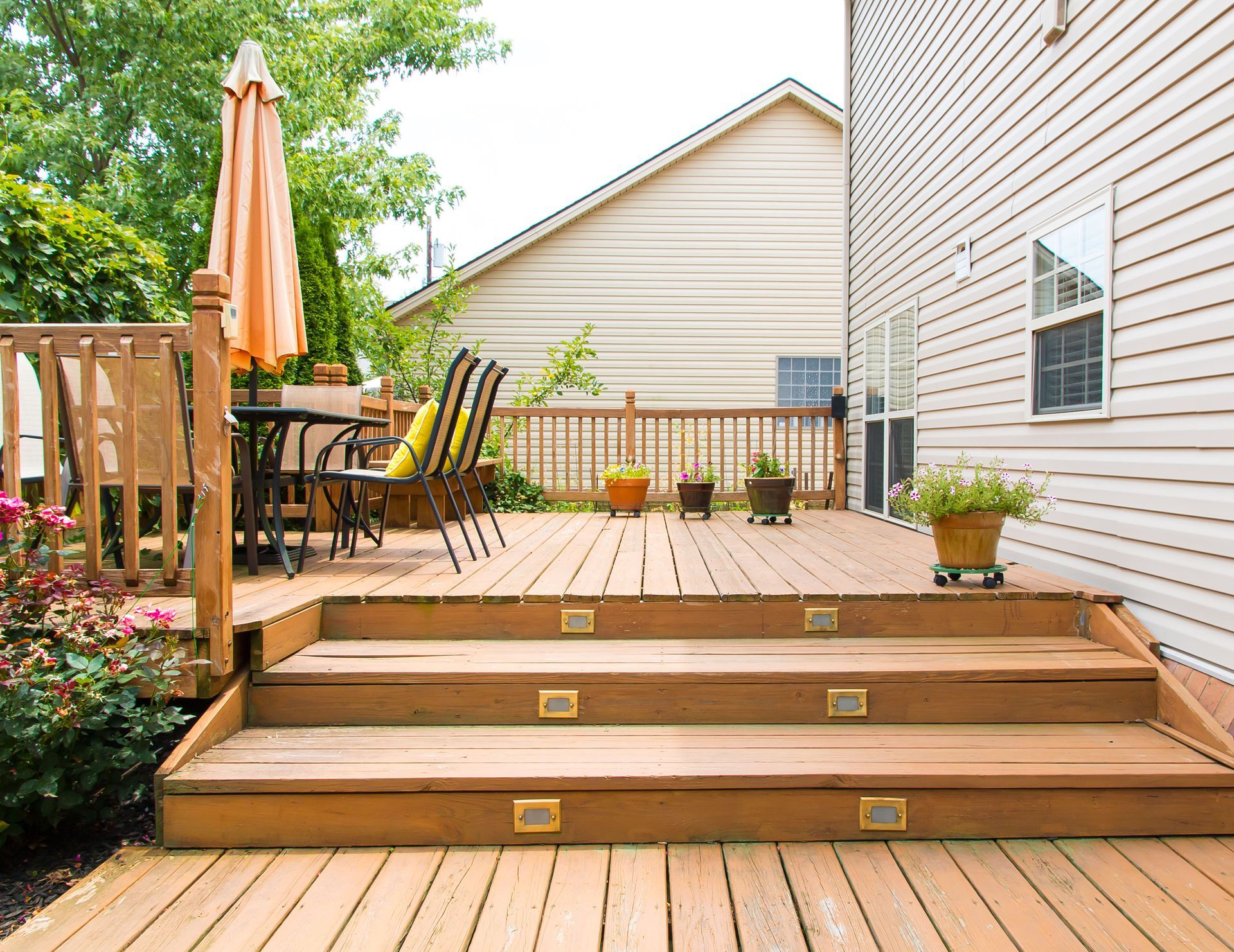
Evaluating physical conditions serves as the starting point for any outdoor restoration project. Walk across boards to check for plank rot, surface mold, and splintering that impacts daily comfort. Inspecting hidden framing beneath the platform is crucial, as ground moisture causes joist decay. Catching surface issues early keeps restoration tasks manageable before structural damage spreads across the supporting framework.
Identifying structural weaknesses requires examining framework connections, support posts, and guardrail stability. Loose railings and sagging floorboards indicate serious structural hazards that compromise safety during regular family gatherings. Corroded metal fasteners, loose ledger boards, and unstable posts mean the framework requires immediate attention from a specialist. Assessing framework stability determines whether targeted repairs can restore safety or if total replacement is necessary.
Understanding how age impacts structural integrity helps homeowners make realistic planning choices for their property. Older platforms suffer from cumulative timber fatigue and lack modern safety features found in contemporary deck designs. According to HomeGuide, opting for a full replacement makes sense if the platform is over 20 years old or if necessary repairs would cost more than half the price of building new. Evaluating age alongside structural health gives clear financial direction.
Calculate the Costs of Repairing Versus Replacing
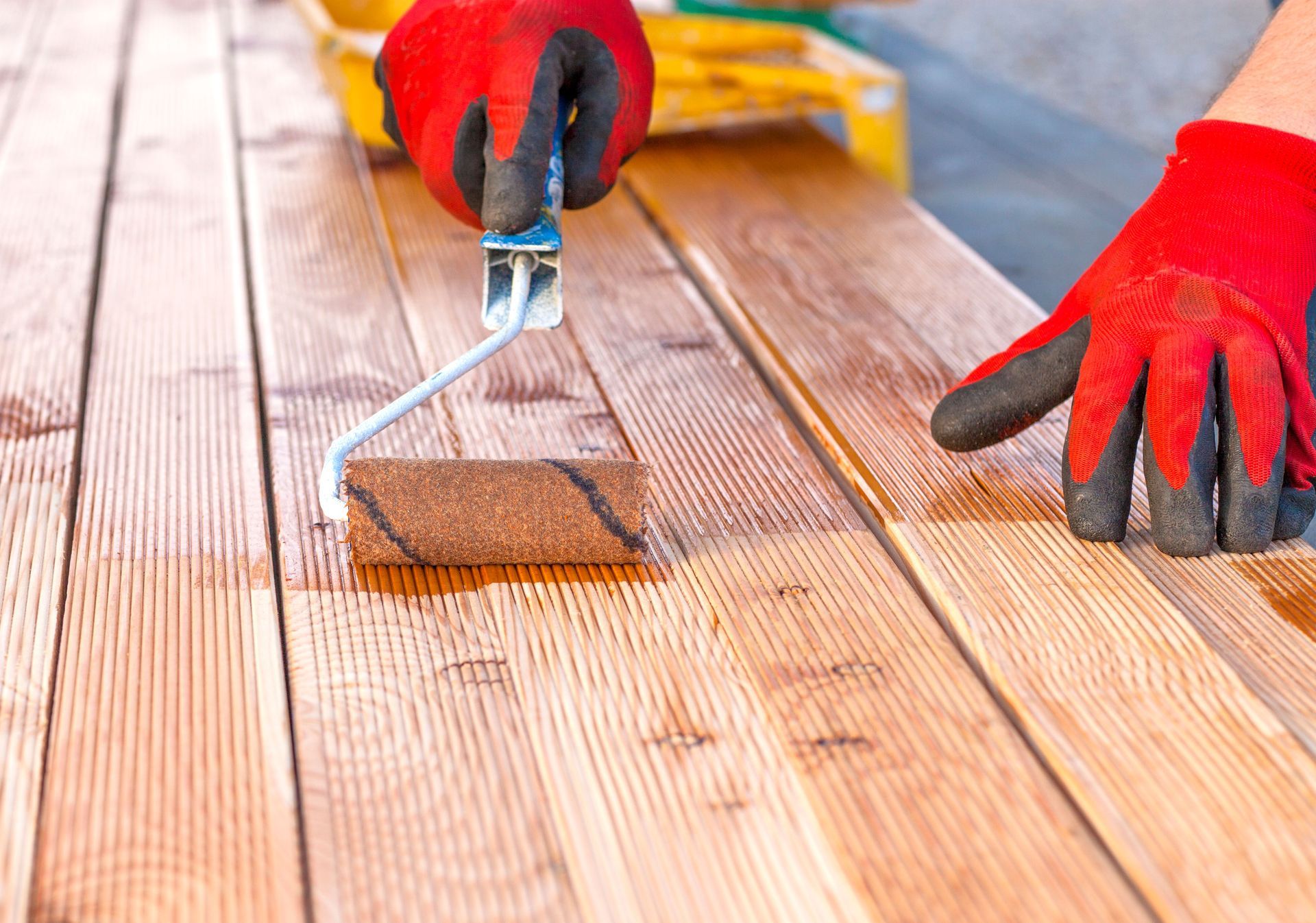
Calculating project expenses requires balancing initial material prices against future maintenance requirements. Traditional pressure-treated wood offers an affordable starting cost but requires regular staining, sealing, and power washing over time. Modern composite materials carry higher initial costs but reduce ongoing maintenance demands for decades. Selecting durable low-maintenance materials yields substantial long-term savings that offset initial construction investments.
Evaluating labor demands is another critical factor when estimating total outdoor project costs. Minor surface repairs like swapping damaged planks can often be completed without professional help. Major structural modifications or total platform rebuilds require skilled craftsmanship to guarantee building code compliance and safety. Consulting a professional deck builder provides an accurate estimate of labor demands while preventing costly structural mistakes.
Analyzing future financial implications prevents budget surprises from disrupting your home improvement plans. Minor fixes seem economical today, yet repeated repairs on an aging framework rapidly accumulate high costs over time. A complete rebuild offers fresh warranties, improved structural stability, and increased property value. Planning for hidden expenses like footing upgrades ensures a financially sound decision for your household budget.
Evaluate the Environmental Impact of Your Choice
Repairs offer clear environmental benefits by conserving existing lumber and reducing waste sent to local landfills. Keeping sound support beams intact minimizes resource consumption and reduces demand for newly harvested timber products. Applying eco-friendly stains and non-toxic sealants preserves existing wood while protecting nearby soil and garden plants. Homeowners committed to sustainability often choose targeted restorations when core framing remains structurally sound.
Selecting sustainable replacement options allows you to build an eco-friendly space without sacrificing style or endurance. Composite decking utilizes recycled plastics and reclaimed wood fibers to create durable surfaces that never require harsh chemical sealers. Using timber certified by responsible forestry programs ensures your new space supports sustainable harvesting practices worldwide. These eco-friendly materials reduce ongoing maintenance pollution while delivering excellent weather resistance.
Managing construction waste responsibly plays a vital role in minimizing the environmental footprint of your project. Professional contractors prioritize sorting removed materials so usable wood and metal hardware are recycled rather than discarded. Choosing long-lasting materials reduces replacement frequency, preserving valuable natural resources over time. Sustainable choices create healthy outdoor spaces while supporting long-term conservation goals for your community.
Select the Ideal Materials for Your Project
Selecting proper building materials influences visual appeal and long-term durability for your outdoor living space. Natural wood options like cedar deliver traditional beauty and natural rot resistance, though they demand regular weatherproofing treatments. Pressure-treated lumber remains a popular budget option that provides solid defense against decay and insects. Partnering with a licensed deck builder ensures you choose lumber grades suited to local weather conditions.
Composite and synthetic materials offer exceptional resistance to weather exposure, splintering, insect damage, and color fading. Made from recycled plastics and wood flour, composite boards eliminate the need for annual sanding, staining, or sealing. Aluminum and vinyl railing systems provide sleek modern choices that resist rust and corrosion in damp climates. Evaluating material qualities helps you balance upfront pricing, maintenance needs, and visual appeal.
Comparing lifespan expectations helps homeowners determine which material delivers the strongest return on investment. Standard wood surfaces last for years with diligent care, whereas premium composites carry multi-decade manufacturer warranties. Metal framing components offer superior durability in humid regions where timber degrades quickly. Investing in resilient materials upfront minimizes ongoing maintenance chores and keeps your outdoor space looking fantastic.
Hire a Professional Deck Builder for Structural Work
Hiring an experienced contractor ensures complex structural repairs and replacements adhere to strict safety codes. Completing major framing tasks requires specialized tools, precise measurements, and a sound understanding of load-bearing design principles. Attempting major framing work without proper training increases risks of structural failure and physical injury. A master deck builder brings specialized expertise that streamlines construction while guaranteeing framing safety.
Working with licensed contractors provides quality assurance and protects your property investment against costly mistakes. Experienced crews obtain local permits, arrange inspections, and ensure full compliance with regional building standards. Their knowledge of local soil conditions and concrete footing requirements prevents settling and structural shifting over time. Professional installation delivers high-quality craftsmanship that enhances overall property value and peace of mind.
Evaluating project timelines helps homeowners decide between professional contracting services. Professional crews complete replacements efficiently, minimizing disruption to your daily routine and outdoor enjoyment. Relying on a reliable deck builder keeps your project on schedule while ensuring superior results.
Make an Informed Decision for Your Home
Making the right choice involves matching your project scope with personal lifestyle habits and aesthetic preferences. Homeowners who entertain frequently benefit from spacious, low-maintenance platforms designed for heavy foot traffic and outdoor furniture. Those who prefer natural aesthetics may choose real wood textures despite additional upkeep demands over time. Tailoring your decision to daily routines ensures your outdoor space remains practical and inviting.
Evaluating long-term living plans helps clarify whether a temporary repair or complete replacement fits your goals best. If you plan to sell soon, a surface refresh can boost curb appeal and attract buyers. If you intend to stay for many years, investing in a complete replacement provides lasting peace of mind. A knowledgeable deck builder helps balance immediate budget limits with long-term property goals.
Consulting homeowners association guidelines and local zoning rules prevents legal issues during project execution. Neighborhood codes may specify approved colors, railing styles, material types, and property setback limits. Ensuring full regulatory compliance protects you from costly fines or required modifications after work finishes. Thorough preparation allows you to proceed confidently, knowing your project meets all community and safety standards.
Choosing between repairing or replacing your deck depends on structural safety, material condition, project expenses, and long-term lifestyle needs. Major structural damage, severe decay, or outdated designs often make replacement the safer and more economical option. Partnering with a skilled deck builder ensures your outdoor project is completed safely, efficiently, and to high-quality standards. Contact us today at Kingsley Improvements to discuss your plans, and let us build the secure, beautiful outdoor space your family deserves.